Author: admin

  • Why Is It Important To Maintain Your Solar Power System

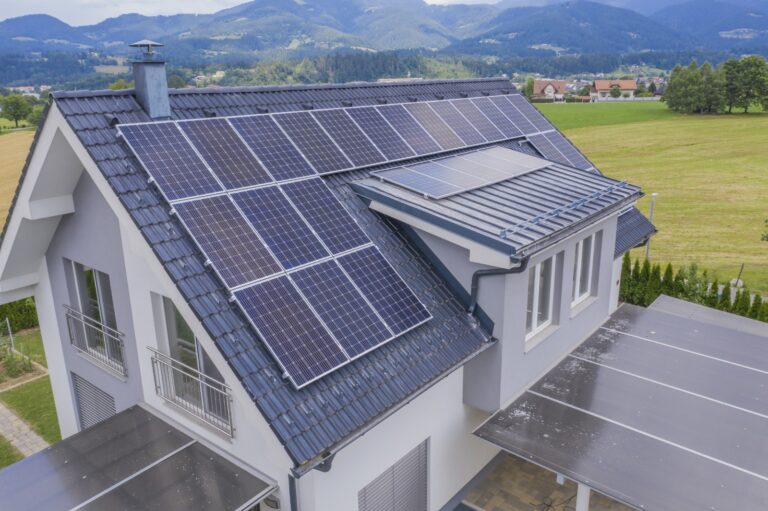
    It is important to do solar power system maintenance. Here’s a detailed guide to maintaining a solar energy system (rooftop or ground-mounted), covering what to do, how often, and why it matters. Routine Visual Inspections (Every 3–6 Months) What to check: Solar panels: Look for cracks, discoloration, or hotspots. Mounting structure: Ensure bolts and brackets…

  • Use Solar To Warm Up Your Pool

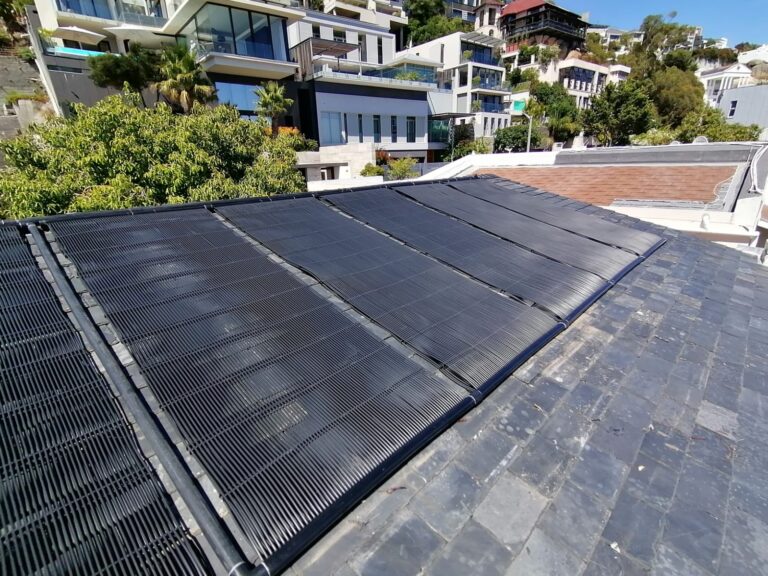
    Get a Solar Heating System for your pool and use solar energy to warm the water in your swimming pool, extend your swimming season and reduce electricity bills. It’s one of the most cost-effective and environmentally friendly ways to heat a pool. How Pool Solar Heating Works Water Circulation: Your pool pump circulates water from…

  • Pool Bubble Cover

    A pool bubble cover, also known as a solar pool cover or solar blanket, is a lightweight, bubble-wrap-like cover designed to float on the surface of a swimming pool. Here’s a quick breakdown of what it is and why you might use one: What Is It? Made from UV-resistant plastic (typically polyethylene). Looks like thick…

  • Main Uses Of Rainwater

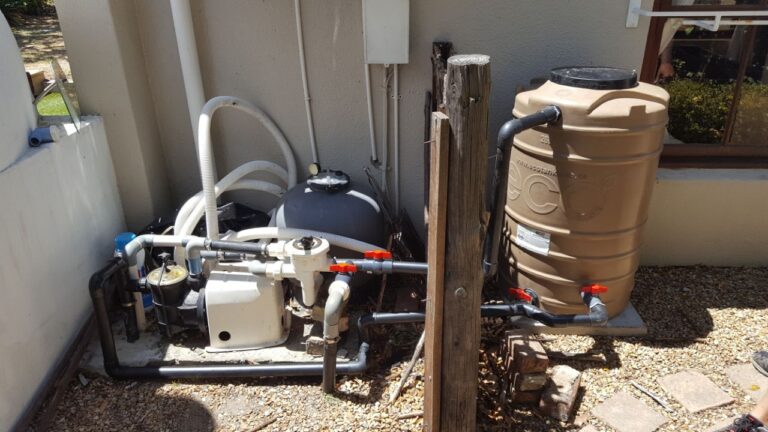
    Rainwater can be a valuable resource when harvested and used appropriately. Here are the main uses of rainwater, categorized for domestic, agricultural, and industrial purposes: Domestic Uses Toilet flushing Saves potable water by using rainwater for non-potable needs. Laundry Soft rainwater reduces detergent usage and appliance wear. Gardening & Lawn Irrigation Plants thrive with natural,…

  • How To Avoid Power Surges

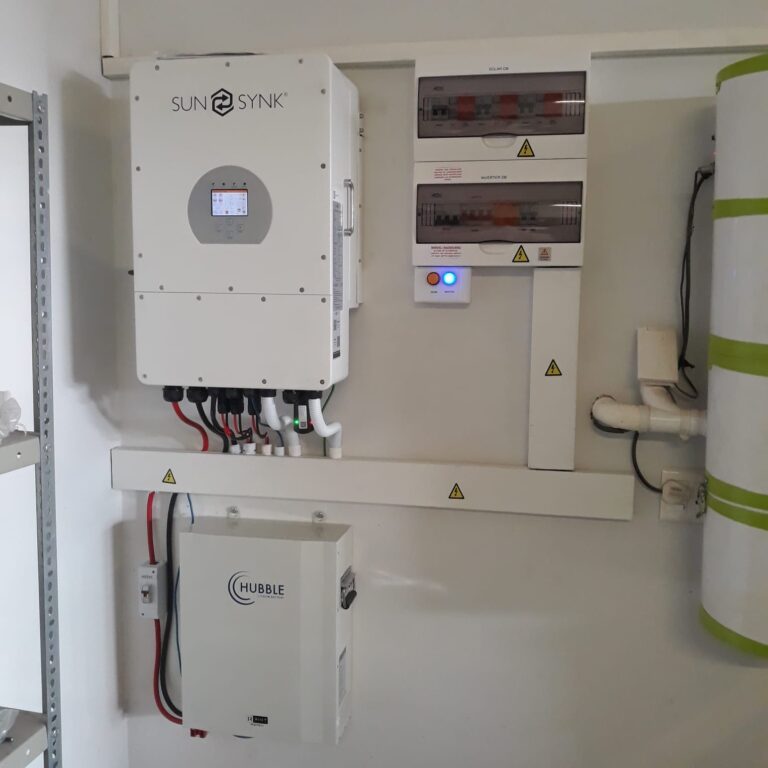
    Avoiding power surges is important to protect your electronic devices and appliances. Here are some practical steps you can take: Use Surge Protectors Plug devices into surge protectors, not directly into wall outlets. Make sure they’re rated for the types of electronics you’re using (e.g., computers, TVs). For better protection, use whole-house surge protectors at…

  • Greywater harvesting

    Greywater harvesting is the process of collecting and reusing water from sources such as sinks, showers, bathtubs, and washing machines, which is considered “greywater.” This water is not contaminated with sewage or human waste, unlike blackwater, which comes from toilets. Greywater can be reused for non-potable purposes like irrigating gardens, flushing toilets, and cleaning, which…