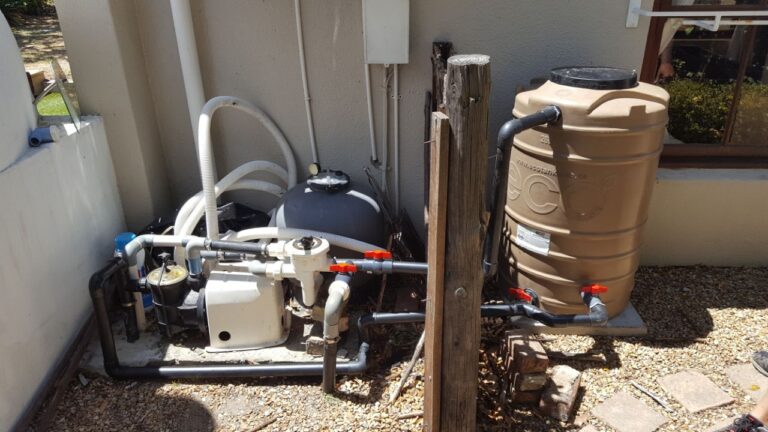
Rainwater harvesting

Greywater usage during dry season months

Using greywater in the garden can be awesome for saving water and keeping plants happy. To use greywater in the garden, collect water from showers, baths, or washing machines (avoiding harsh chemicals), direct it to the soil around plant roots (not leaves), use biodegradable soaps, and rotate watering spots to prevent salt buildup, ideally filtering it and using it on non-edible plants or established trees, with systems ranging from simple bucket collection to filtered tanks for more complex setups.

  1. Water Source & Products

Best Sources: Bath, shower, and laundry water (from the final rinse) are good.
What to Avoid: Toilet water (blackwater), water with bleach, borax, or high salt content.
Eco-Friendly Soaps: Use biodegradable, plant-safe detergents, shampoos, and soaps to protect your soil and plants.

  1. Collection Methods

Greywater System (Tank/Filter): Water goes to a tank with a filter (essential for edibles) and is then pumped to the garden via a hose or simple irrigation.
Laundry-to-Landscape: Connects directly from the washing machine to irrigate mulch basins or root zones.
Diverters: Use simple diverter systems (like a pipe) to redirect water from a single source (like a washing machine) to a garden area.

  1. Maintenance & Safety

Filter: Always filter out debris.
Use Quickly: Don’t store greywater too long to prevent bacterial growth.
Check Local Rules: Some areas have regulations on greywater use, so check local guidelines.

Share / Refer a friend:

Similar Posts

  • Green Energy

    Green energy is produced from renewable, environmentally friendly sources. These sources have a much lower impact on the environment compared to conventional energy production methods, which often rely on fossil fuels like coal, oil, and natural gas. Green energy helps reduce greenhouse gas emissions, air pollution, and the depletion of natural resources. Some of the…

  • Uninterruptible Power Supply

    An Uninterruptible Power Supply (UPS) is a device that provides backup power to electronic equipment in the case of a power outage or electrical disturbance. It ensures that there is no interruption in the operation of devices such as computers, servers, or medical equipment. A UPS offers power for a limited period of time to…

  • Why is it essential to consider using Rainwater Harvesting?

    One of the easiest ways to save water is simply to collect it, and that’s a practice called rainwater harvesting. Rainwater harvesting is essentially the collection of rainwater in large tanks that’s then transferred to containers until it’s needed for use. In most cases, the water is used directly from these containers without being purified or…

  • Use Solar To Warm Up Your Pool

    Get a Solar Heating System for your pool and use solar energy to warm the water in your swimming pool, extend your swimming season and reduce electricity bills. It’s one of the most cost-effective and environmentally friendly ways to heat a pool. How Pool Solar Heating Works Water Circulation: Your pool pump circulates water from…

  • Pool Safety Nets

    A swimming pool can be a wonderful source of fun and relaxation, but it also come with important safety considerations. One crucial element is to prioritize the installation of a reliable pool safety net. Pool safety nets serve as a barrier that can prevent accidental falls and also keep children and pets safe. These versatile…

  • Main Uses Of Rainwater

    Rainwater can be a valuable resource when harvested and used appropriately. Here are the main uses of rainwater, categorized for domestic, agricultural, and industrial purposes: Domestic Uses Toilet flushing Saves potable water by using rainwater for non-potable needs. Laundry Soft rainwater reduces detergent usage and appliance wear. Gardening & Lawn Irrigation Plants thrive with natural,…