Why Is It Important To Maintain Your Solar Power System
It is important to do solar power system maintenance. Here’s a detailed guide to maintaining a solar energy system (rooftop or ground-mounted), covering what to do, how often, and why it matters.
- Routine Visual Inspections (Every 3–6 Months)
What to check:
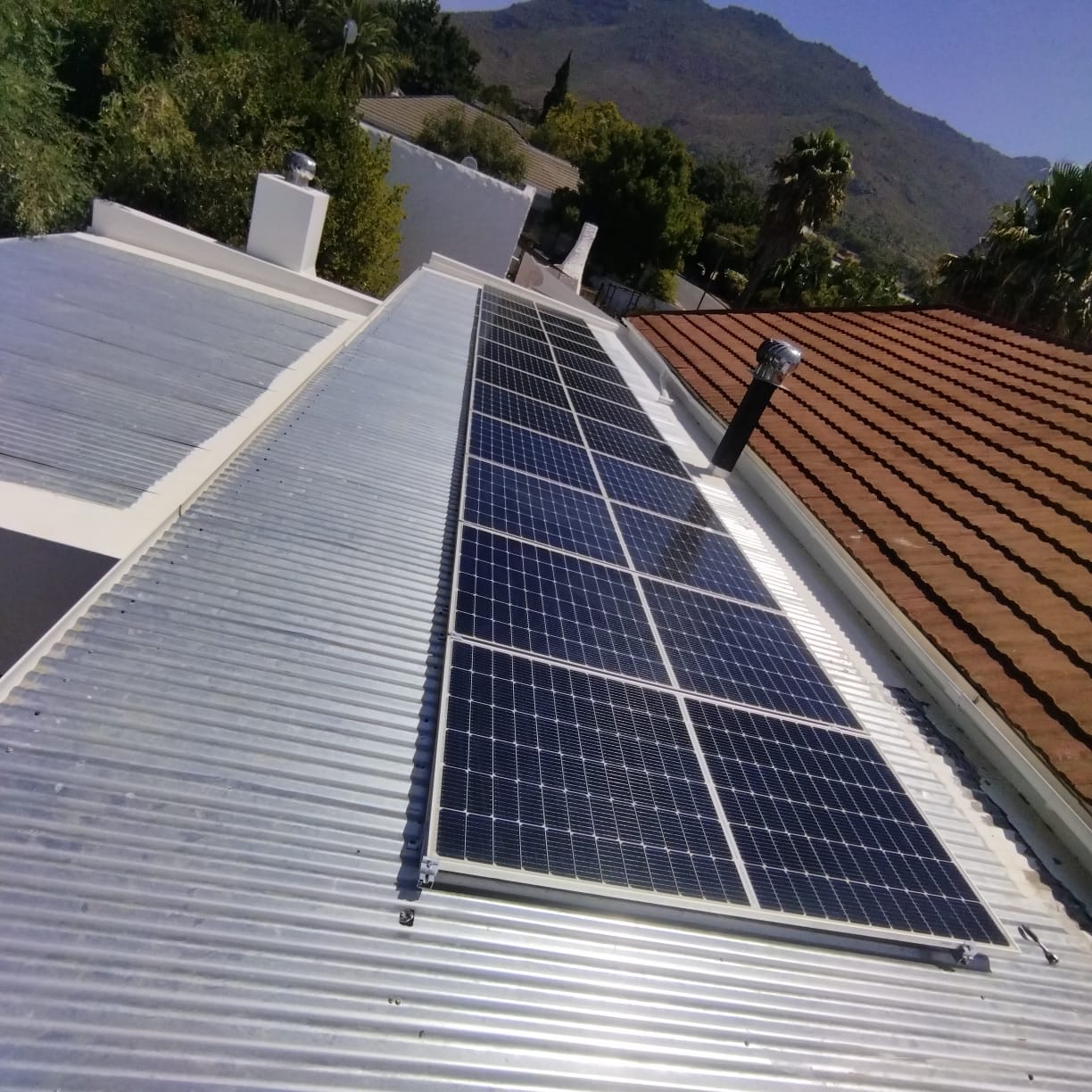
- Solar panels: Look for cracks, discoloration, or hotspots.
- Mounting structure: Ensure bolts and brackets are tight; check for rust or corrosion.
- Wiring: Look for loose connections, frayed wires, or signs of animal damage.
- Inverter: Confirm indicator lights are normal (usually green).
Why: Early detection prevents output loss and safety issues.
- Panel Cleaning (2–4 Times a Year)
When to clean:
- If output drops noticeably.
- After dusty seasons, pollen buildup, bird droppings, or nearby construction.
How to clean:
- Use soft water (no minerals) and a non-abrasive sponge or microfiber cloth.
- Avoid detergents, high-pressure hoses, and harsh brushes.
- Clean early morning or evening (when panels are cool).
Tip: If access is difficult or the system is large, hire professional cleaners.
- Electrical & Performance Checks (Annually)
Check:
- Inverter performance: Compare actual output with expected generation.
- Voltage and current: Measure at inverter terminals.
- Cabling and connectors: Ensure tight, corrosion-free connections.
- Fuses and breakers: Inspect for proper function and no overheating.
Why: Keeps the system efficient and compliant with warranty conditions.
- Battery System Maintenance (If Applicable)
For battery-based systems (off-grid or hybrid):
- Monitor charge/discharge cycles regularly.
- Keep the battery bank in a cool, dry, ventilated area.
- Clean terminals and apply anti-corrosive spray.
- For lead-acid batteries: Check electrolyte levels and specific gravity.
For lithium batteries: Minimal maintenance; ensure firmware is up to date.
- Monitoring & Analytics
Most systems have an app or web dashboard that tracks:
- Daily/weekly/monthly generation.
- Real-time performance.
- Alerts for system faults or low output.
Watch for:
Sudden drops in generation compared to historical data or nearby systems.
- Professional Inspection (Every 1–2 Years)
A qualified solar technician should:
- Test insulation resistance and IV curves.
- Check inverter firmware and error logs.
- Verify grounding and surge protection.
- Perform a detailed shading analysis.
- Safety Reminders
- Always turn off the system before inspection or cleaning.
- Don’t climb onto roofs without proper fall protection.
- Never open inverter covers unless trained and qualified.