What is a solar inverter and factors to consider when purchasing one?
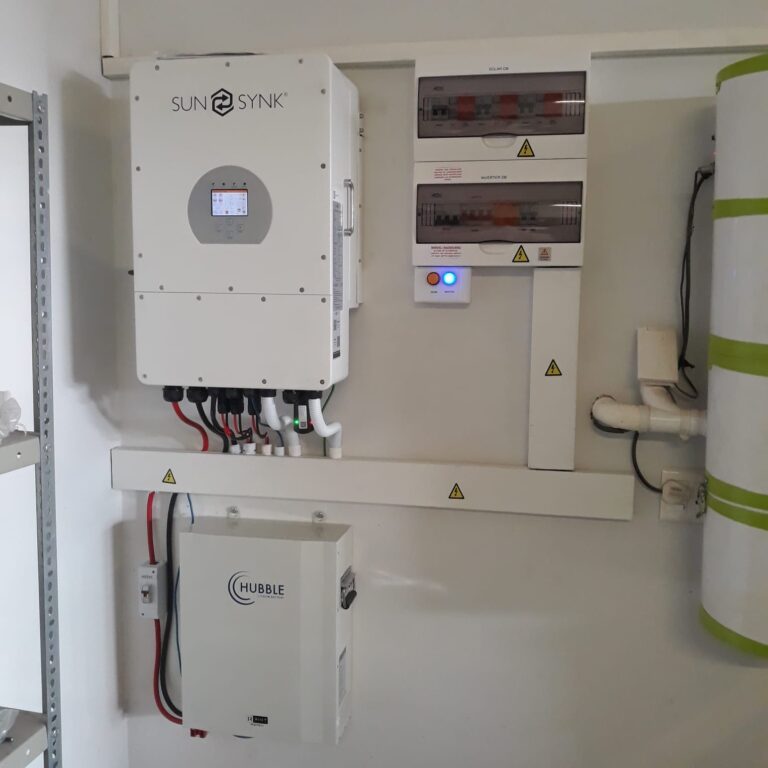
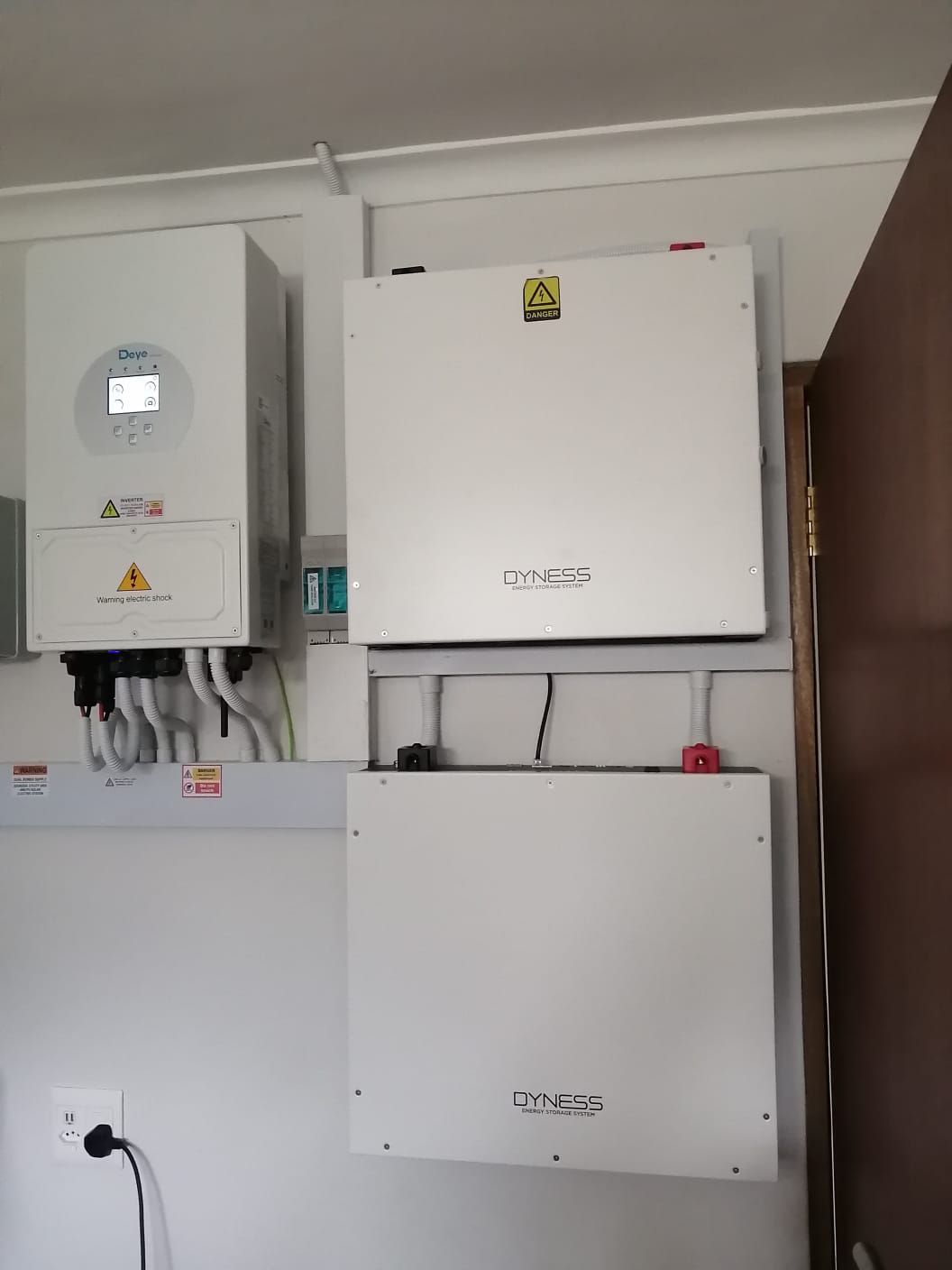
A solar inverter is a critical component in a solar energy system that converts the direct current (DC) electricity generated by solar panels into alternating current (AC) electricity. AC electricity is what most household appliances and the grid use, so the inverter makes the solar power usable in everyday life.
Key Functions of a Solar Inverter:
– DC to AC Conversion: Solar panels produce DC electricity, but most household devices use AC electricity. The inverter converts the DC electricity into AC.
– Maximum Power Point Tracking (MPPT): This technology helps the inverter constantly monitor and adjust the solar panel output to ensure maximum energy production, regardless of varying sunlight conditions.
– Grid Connection: In grid-tied systems, inverters also ensure that the AC electricity is synced with the grid voltage and frequency, allowing excess power to be fed back into the grid if applicable (net metering).
– Monitoring and Control: Many modern inverters come with integrated monitoring systems, allowing users to track system performance in real time through apps or web platforms.
Factors to Consider:
– Efficiency: The efficiency of a solar inverter refers to how well it converts DC to AC electricity. High-efficiency inverters (typically 95%–99%) reduce energy losses.
– Durability and Warranty: A good-quality inverter should last around 10-15 years. Many manufacturers offer warranties to guarantee product longevity.
– Smart Features: Modern inverters can come with Wi-Fi or Bluetooth connectivity, enabling users to monitor their solar system’s performance remotely via apps or online platforms.