
How to optimize your geyser during winter
Winter puts more strain on your geyser than any other season. Colder inlet water means your element has to work harder to reach the same temperature, and that translates directly into higher electricity bills. The good news is that a few smart adjustments can keep your water piping hot without your energy consumption spiking. Here’s how to get the most out of your geyser this winter.
- Insulate the Geyser Tank
If your geyser isn’t already wrapped in an insulation blanket, this is the single most cost-effective upgrade you can make. A geyser blanket reduces standing heat loss — the energy wasted simply keeping stored water warm between uses — by a significant margin. In winter, when the temperature difference between the water and the surrounding air is greatest, heat loss accelerates, so insulation pays for itself even faster during these months.
- Lag Your Pipes
Exposed hot water pipes, especially those running through a roof space or along an outside wall, lose heat rapidly in cold weather. Wrapping accessible pipes in foam lagging keeps water hotter for longer as it travels from the tank to your tap, meaning less reheating and a shorter wait for hot water.
- Set the Thermostat Sensibly
It’s tempting to crank the thermostat up in winter, but every extra degree adds to your energy usage. A setting of around 55°C is hot enough for comfort and hygiene while limiting both energy waste and the risk of scalding. If your geyser has a dial rather than a digital display, check it with a thermometer at the tap to confirm the actual output temperature.
- Use a Timer
Geysers are often left heating water around the clock, even during hours when nobody’s home or awake. A timer lets you schedule heating for early morning and evening — when hot water is actually needed — and switch off overnight or during the day. This is particularly effective in winter, when standing losses are higher and every unnecessary heating cycle costs more.
- Check for Leaks and Drips
A dripping hot tap isn’t just wasted water — it’s wasted heat. In winter, a slow leak forces the geyser to continuously reheat replacement water drawn from a colder mains supply. Fixing worn washers or faulty valves is a small job that prevents an ongoing energy drain all season.
- Consider a Heat Pump or Solar Boost
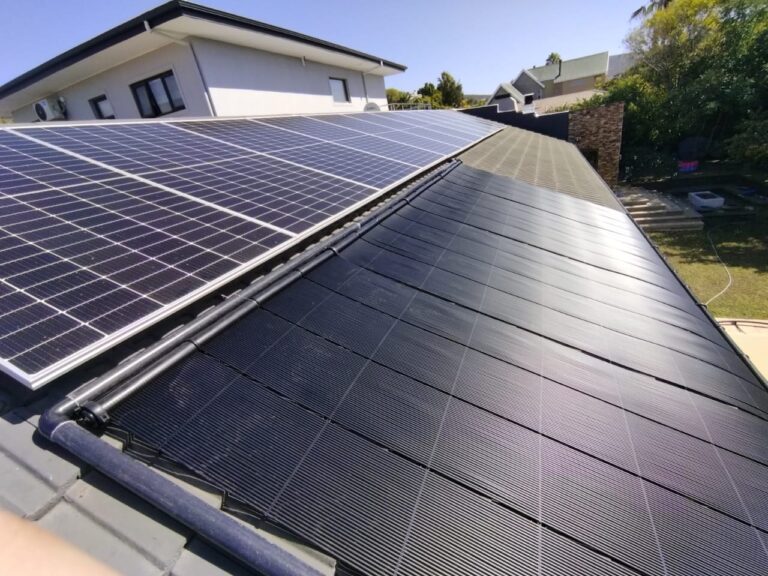
If you’re relying purely on grid electricity to heat water, winter is when your running costs are highest. A solar water heating system paired with your geyser, or a heat pump retrofit, can dramatically cut how much electrical energy is needed to bring water up to temperature — even on cold or overcast days, since heat pumps extract ambient heat rather than generating it directly. These systems have a higher upfront cost but often deliver the fastest payback during winter months, when conventional heating costs peak.
- Service It Before Winter Hits
Sediment build-up at the bottom of the tank acts as an insulating layer between the element and the water, forcing the geyser to work harder and use more energy to heat the same volume. An annual flush, ideally done before the cold sets in, keeps the element working efficiently and extends the lifespan of the unit.
- Group Hot Water Tasks
Where possible, batch hot-water-heavy activities like showers, dishwashing, and laundry closer together rather than spreading them throughout the day. This reduces the number of times the geyser has to recover from a large draw of hot water, which is when it consumes the most energy.
The Bottom Line
Winter doesn’t have to mean a spike in your energy bill just to keep water warm. Insulation, smart scheduling, regular maintenance, and — where feasible — a renewable boost like solar or a heat pump can keep your geyser running efficiently through the coldest months. Small changes add up: the less energy your geyser wastes standing by, the more efficiently it delivers exactly the hot water you need, when you need it.