
How to Make Your Home More Energy Efficient in South Africa
How to Make Your Home More Energy Efficient in South Africa: 7 Practical Tips
Rising electricity tariffs and an unreliable grid have pushed many South African households to rethink how they use power. As a result, more homeowners are looking for ways to create an energy efficient home without sacrificing comfort.
The good news? You don’t need to overhaul your lifestyle. By combining smarter daily habits with the right renewable energy solutions, you can cut your electricity consumption, reduce your reliance on the grid and make your home more sustainable.
In this guide, we cover seven of the most effective ways to make your home more energy efficient, along with tips on choosing the right solution for your property.
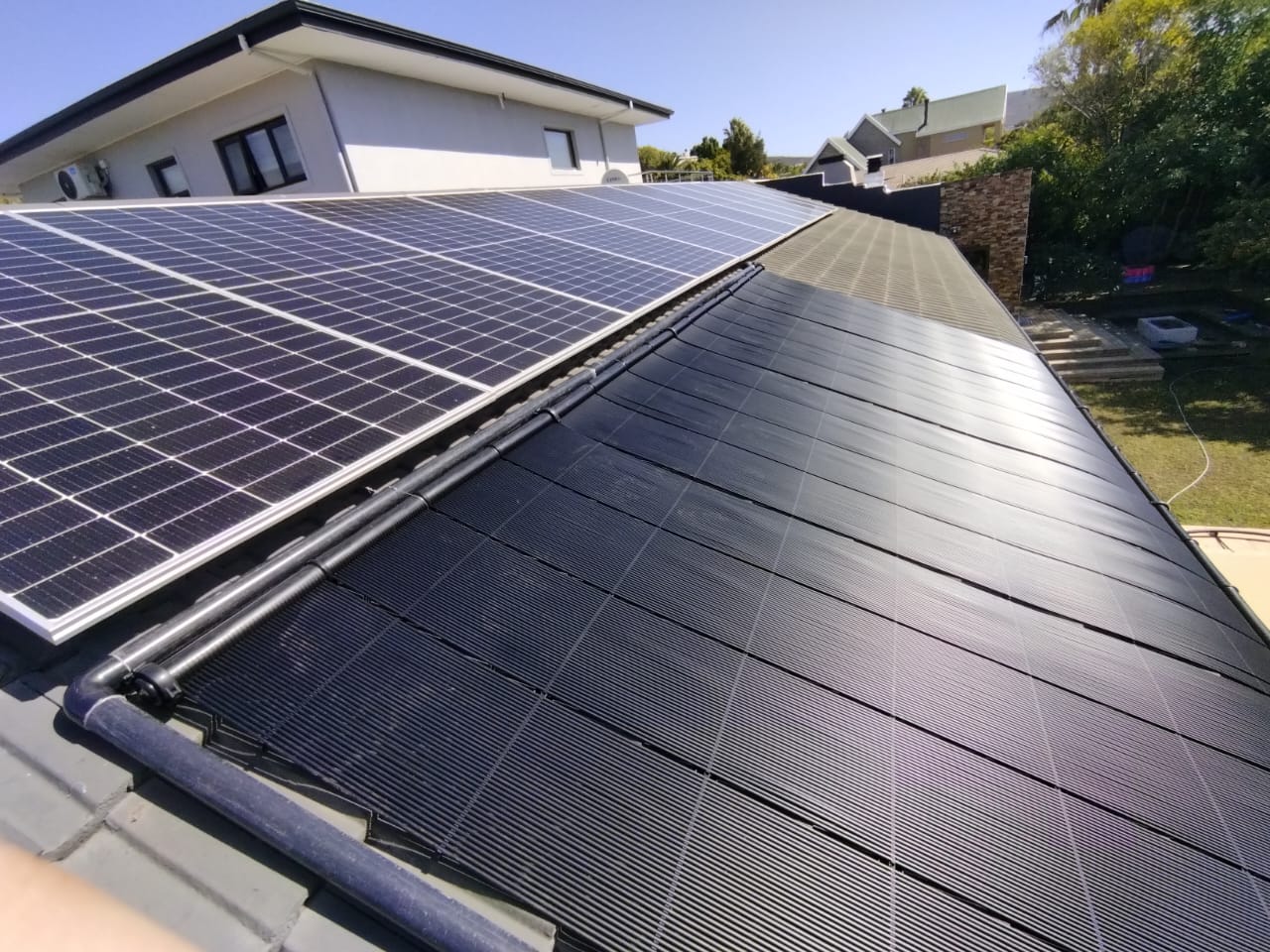
1. Install a Solar PV System
For most households, solar power is the single biggest step towards an energy efficient home. A solar photovoltaic (PV) system converts sunlight into electricity that can run your lights, appliances and electronics.
South Africa enjoys some of the best sunshine levels in the world. That makes solar one of the most practical ways to generate your own clean energy and buy less electricity from the grid.
What size solar system do you need?
The right system depends on several factors, including:
- Your monthly electricity usage
- Available roof space and orientation
- Shading from trees or nearby buildings
- Whether you want backup power during outages
When paired with an inverter and battery, a solar system can also keep your home running when the grid goes down. Learn more about our solar and backup power solutions.
2. Cut the Cost of Heating Water
In many South African homes, the electric geyser is one of the largest single users of electricity. Fortunately, there are two efficient alternatives.
Heat pumps
A heat pump extracts heat from the surrounding air and transfers it to your water. Because it moves heat rather than generating it directly, it typically uses considerably less electricity than a standard element-based geyser. Actual savings depend on your installation and household usage.
Solar geysers
A solar geyser uses the sun’s energy to heat your water. On sunny days, it can significantly reduce the amount of electricity needed for hot water, with the element only stepping in when required.
Not sure which option suits your home? Our team can assess your geyser size and hot water needs to recommend the best fit.
3. Use Your Solar Energy Wisely
Installing solar panels is only half the story. How and when you use electricity has a big impact on your savings.
Here are a few simple habits that help:
- Run heavy appliances during the day. Schedule washing machines, dishwashers and pool pumps to run while your panels are producing power.
- Switch off what you’re not using. Lights, TVs and chargers left on standby add up over time.
- Upgrade to LED lighting. LEDs use a fraction of the energy of older incandescent or halogen bulbs.
- Stagger high-demand appliances. Avoid running the kettle, oven and geyser at the same time to reduce peak load on your system.
Small changes like these help you get the most value from every unit of electricity your solar panels generate.
4. Add Battery Storage for Evenings and Outages
Solar panels only produce electricity while the sun is shining. However, most households use a large share of their power in the evening.
Battery storage solves this by saving excess solar energy for later use. A correctly sized inverter and battery system can also provide backup power during outages.
Focus on essential loads
Instead of trying to power your entire home during an outage, a backup system can be designed around essential loads, such as:
- Lighting
- Fridges and freezers
- Security systems and gate motors
- Wi-Fi and home office equipment
- Selected appliances
How long your backup lasts depends on your battery capacity and how much electricity you use. A professional design ensures your system matches your real needs.
5. Heat Your Pool More Efficiently
Heating a swimming pool with conventional electric heaters can be costly. Solar pool heating offers a far more efficient alternative.
The system pumps pool water through solar collectors, usually mounted on your roof, where the sun warms it before it flows back into the pool. It connects to your existing pool pump and filtration system, so installation is straightforward.
As a result, you can extend your swimming season while keeping energy costs low.
Don’t forget a pool cover
A pool cover is one of the simplest efficiency upgrades available. It reduces heat loss overnight and cuts water evaporation, which is especially valuable in the Western Cape’s dry summers.
6. Make Water Efficiency Part of the Plan
An energy efficient home often goes hand in hand with smarter water use. Cape Town residents know this better than most.
Rainwater harvesting lets you collect and store rainwater for uses such as:
- Watering the garden
- Washing cars
- Topping up the pool
- Flushing toilets (with the right plumbing setup)
By using rainwater for these tasks, you reduce your dependence on municipal water and make your property more self-sufficient.
7. Get Your System Professionally Designed
Investing in renewable energy is a significant decision, so the system design matters. A system that’s too small may not deliver the savings or backup you expect. On the other hand, an oversized system increases your upfront cost without proportional benefits.
A professional assessment should consider:
- Your household’s electricity consumption patterns
- Roof orientation, space and shading
- Geyser size and hot water demand
- Pool size (if applicable)
- Backup power requirements
- Local compliance requirements, such as registering grid-tied systems with your municipality
Getting these details right from the start ensures your system performs as expected for years to come.
Frequently Asked Questions
What is the cheapest way to make my home more energy efficient?
Changing daily habits costs nothing. Switching to LED bulbs, turning off standby devices and running appliances during the day are low-cost first steps. For bigger savings, a heat pump or solar geyser is often a good starting point.
Is solar worth it in South Africa?
For many households, yes. South Africa’s strong sunshine and rising electricity tariffs make solar an attractive long-term investment. The value depends on your usage, roof and system design, so a professional assessment is recommended.
Should I start with solar PV or a heat pump?
It depends on where your home uses the most electricity. If water heating is a major cost, a heat pump or solar geyser may deliver quicker savings. If you need backup power, a solar PV and battery system may be the better first step.
Can a solar system power my whole house during an outage?
It can, but it’s often more cost-effective to design the system around essential loads. This keeps lights, fridges, Wi-Fi and security running without the cost of a much larger battery bank.
Start Building a More Energy Efficient Home Today
There’s no one-size-fits-all solution. For some homeowners, a solar geyser or heat pump is the ideal starting point. For others, a complete solar PV and battery system makes more sense. Pool heating, pool covers and rainwater harvesting can all play a part in a broader plan.
At Go Green Guys, we help homeowners in Cape Town and surrounding areas create energy efficient homes with solar PV systems, inverters and batteries, heat pumps and solar geysers, pool heating, pool covers and rainwater harvesting.
The first step is understanding where your home uses the most energy. Contact Go Green Guys today for expert advice and a renewable energy solution designed around your home and your needs.


