Does it save you power when you switch your Geyser on and off daily?
Let’s start bursting a few geyser myths by first giving a simplified explanation about how an electrical geyser works. The water in the geyser is heated by an electrical element (a thermostat) to a particular temperature – which can be manually set. If the water temperature ever drops below this set temperature, the geyser automatically switches on and heats it up again.
To answer our main question, it unfortunately depends on how frequently you use your geyser and how often you empty it. By switching off the geyser, you intervene with the possibility of the thermostat constantly drawing electricity to heat itself. Once you turn your geyser back on, after a day of being off, it needs to heat itself from far lower temperature, therefore, it uses as much (if not more) electricity to heat it up again.
The amount you spend on your electricity bill has more to do with what kind of geyser you have and your frequency of use. The better the quality of the product and its insulation, the longer the water in your geyser will remain hot. Again, if a lot of people are using one geyser, more water is going to be used, which means more cold water is going to have to be heated by the thermostat. This will use more energy. So essentially, if you have a modern geyser and piping with great insulation that maintains its set temperature without having to reheat itself throughout the day (unless they are being emptied frequently), you will save money on your bill.
Before you switch your geyser on and off, try this:
- Test whether your geyser utilizes more or less electricity when you turn it off and on every day. Try for a week and compare your usage, then decide what you are going to do
- Turn off your geyser when you are going away for a weekend or holiday
- Use less water in general (hot and cold)
- Invest in a well-insulated geyser and insulate your pipes
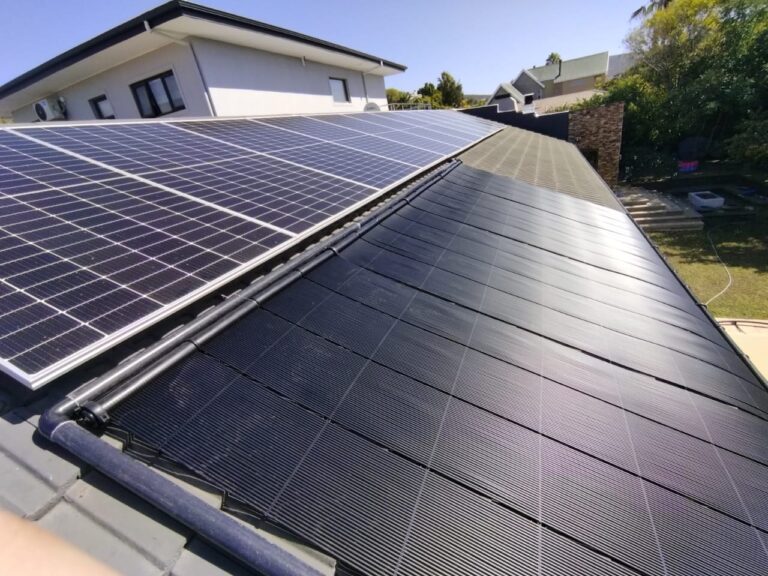
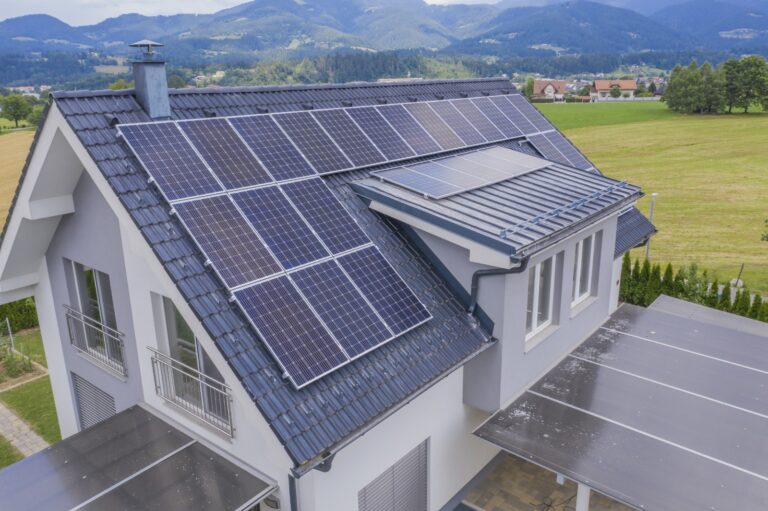
- Consider using renewable energy source such as a solar power geyser as opposed to electrical heating systems