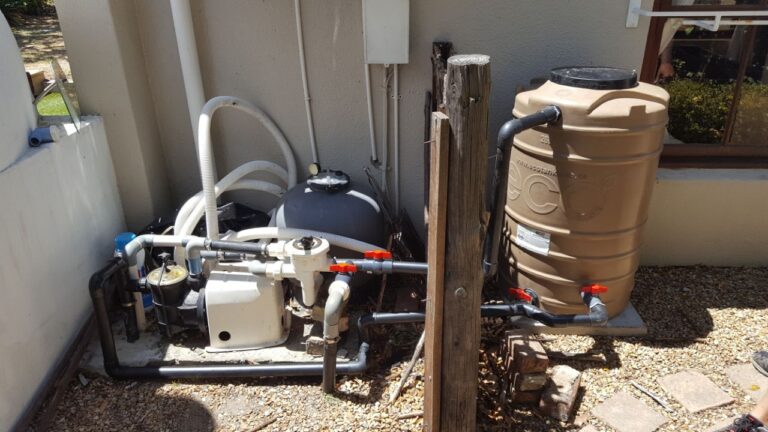
Backwash System

A backwash system is used primarily in filtration systems to clean and maintain the efficiency of filters, often in applications like water treatment, swimming pools, or industrial processes. The system operates by reversing the flow of water through a filter to flush out trapped debris, contaminants, or sediment that may have accumulated during regular filtration.

How It Works:

  1. Normal Filtration: During normal operation, water flows through the filter, trapping particles, sediments, and impurities.
  2. Backwash Process:
    • When the filter becomes clogged, the backwash system is activated.
    • Water flows in the reverse direction through the filter, lifting and loosening the trapped particles.
    • This reversed flow pushes the debris out of the filter and into a waste drainage system.
  3. Rinse: After backwashing, a rinse cycle often occurs to remove any remaining particles before the filter returns to normal filtration.

Types of Backwash Systems:

  1. Manual Backwash Systems: Require the operator to initiate the backwash process.
  2. Automatic Backwash Systems: Operate on timers or pressure differential sensors that trigger the backwash cycle when needed.

Benefits of Backwash Systems:

  • Improved Efficiency: Helps maintain filter performance by preventing clogging.
  • Reduced Maintenance Costs: Extends the lifespan of filters and reduces the frequency of manual cleaning.
  • Cleaner Water: Ensures the continued removal of contaminants from the filtered liquid.

Backwash systems are crucial for maintaining high filtration standards and ensuring the longevity of filtering equipment.
Share / Refer a friend:

Similar Posts

  • Main Uses Of Rainwater

    Rainwater can be a valuable resource when harvested and used appropriately. Here are the main uses of rainwater, categorized for domestic, agricultural, and industrial purposes: Domestic Uses Toilet flushing Saves potable water by using rainwater for non-potable needs. Laundry Soft rainwater reduces detergent usage and appliance wear. Gardening & Lawn Irrigation Plants thrive with natural,…

  • Uninterruptible Power Supply

    An Uninterruptible Power Supply (UPS) is a device that provides backup power to electronic equipment in the case of a power outage or electrical disturbance. It ensures that there is no interruption in the operation of devices such as computers, servers, or medical equipment. A UPS offers power for a limited period of time to…

  • Use Solar To Warm Up Your Pool

    Get a Solar Heating System for your pool and use solar energy to warm the water in your swimming pool, extend your swimming season and reduce electricity bills. It’s one of the most cost-effective and environmentally friendly ways to heat a pool. How Pool Solar Heating Works Water Circulation: Your pool pump circulates water from…

  • Does it save you power when you switch your Geyser on and off daily?

    Let’s start bursting a few geyser myths by first giving a simplified explanation about how an electrical geyser works. The water in the geyser is heated by an electrical element (a thermostat) to a particular temperature – which can be manually set. If the water temperature ever drops below this set temperature, the geyser automatically switches…

  • Greywater harvesting

    Greywater harvesting is the process of collecting and reusing water from sources such as sinks, showers, bathtubs, and washing machines, which is considered “greywater.” This water is not contaminated with sewage or human waste, unlike blackwater, which comes from toilets. Greywater can be reused for non-potable purposes like irrigating gardens, flushing toilets, and cleaning, which…